All episodes

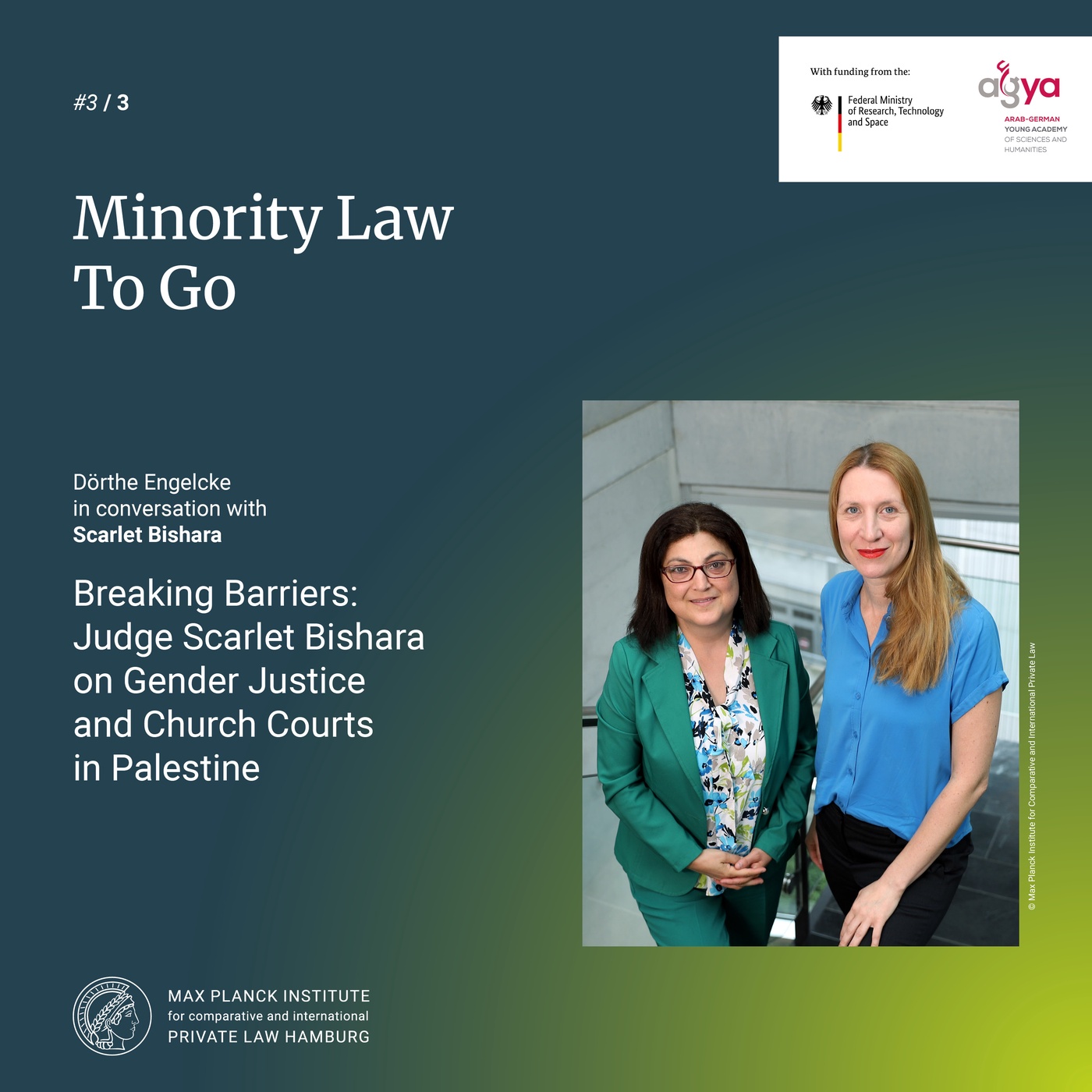
Breaking Barriers: Judge Scarlet Bishara on Gender Justice and Church Courts in Palestine

Breaking Barriers: Judge Scarlet Bishara on Gender Justice and Church Courts in Palestine

24m 24s

In 2015, Scarlet Bishara made history as the first female church court judge in an Arab country, serving in the Evangelical Lutheran Church Court of Jordan and the Holy Land in Bethlehem. In this episode, she discusses the unique role of church courts in Palestine, the landmark 2015 family law reform that introduced equal inheritance rights for men and women, and her continuing advocacy for gender justice and equality. Scarlet reflects on the challenges of working within a religious legal system, the political pressures of life under occupation, the mixed reactions to her appointment, and the transformative impact of women...
Law, Religion, and State Power: Christian Inheritance Rights in Egypt

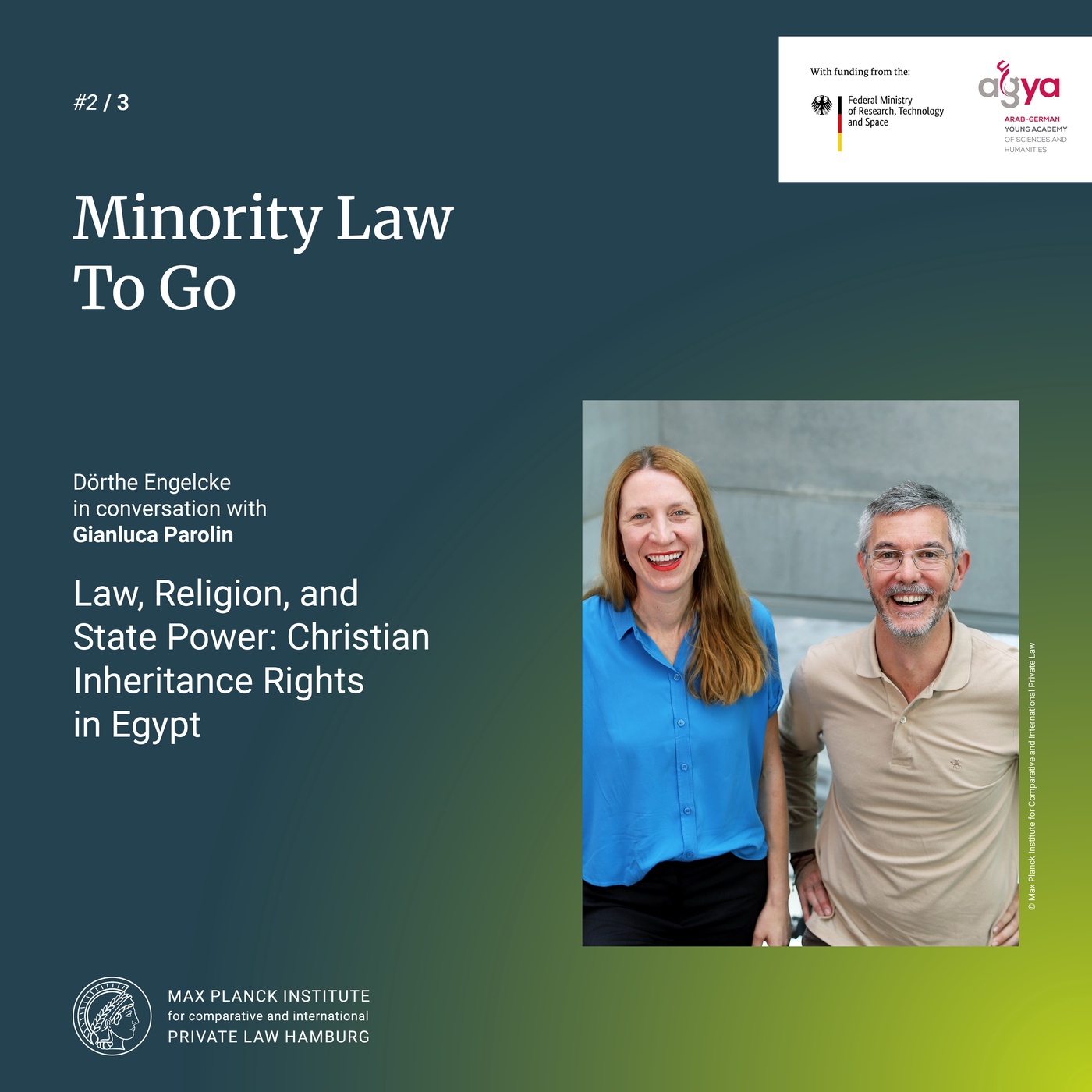
Law, Religion, and State Power: Christian Inheritance Rights in Egypt

33m 0s

In this episode of Minority Law To Go, host Dörthe Engelcke speaks with Gianluca Parolin, professor of law at the Institute for the Study of Muslim Civilizations at Aga Khan University in London. Together, they explore the struggle of Egyptian Christians to gain autonomy in inheritance law, the promises and limits of Article 3 of the 2012 Constitution, and the landmark 2024 Court of Cassation ruling that highlights the boundaries of legal pluralism. Gianluca explains how the jurisprudence of Egypt’s highest courts – and the use of “public policy” – continue to shape the rights of Christian Egyptians. The conversation...

Sextarianism in Lebanon: How Religious and Political Difference is Made

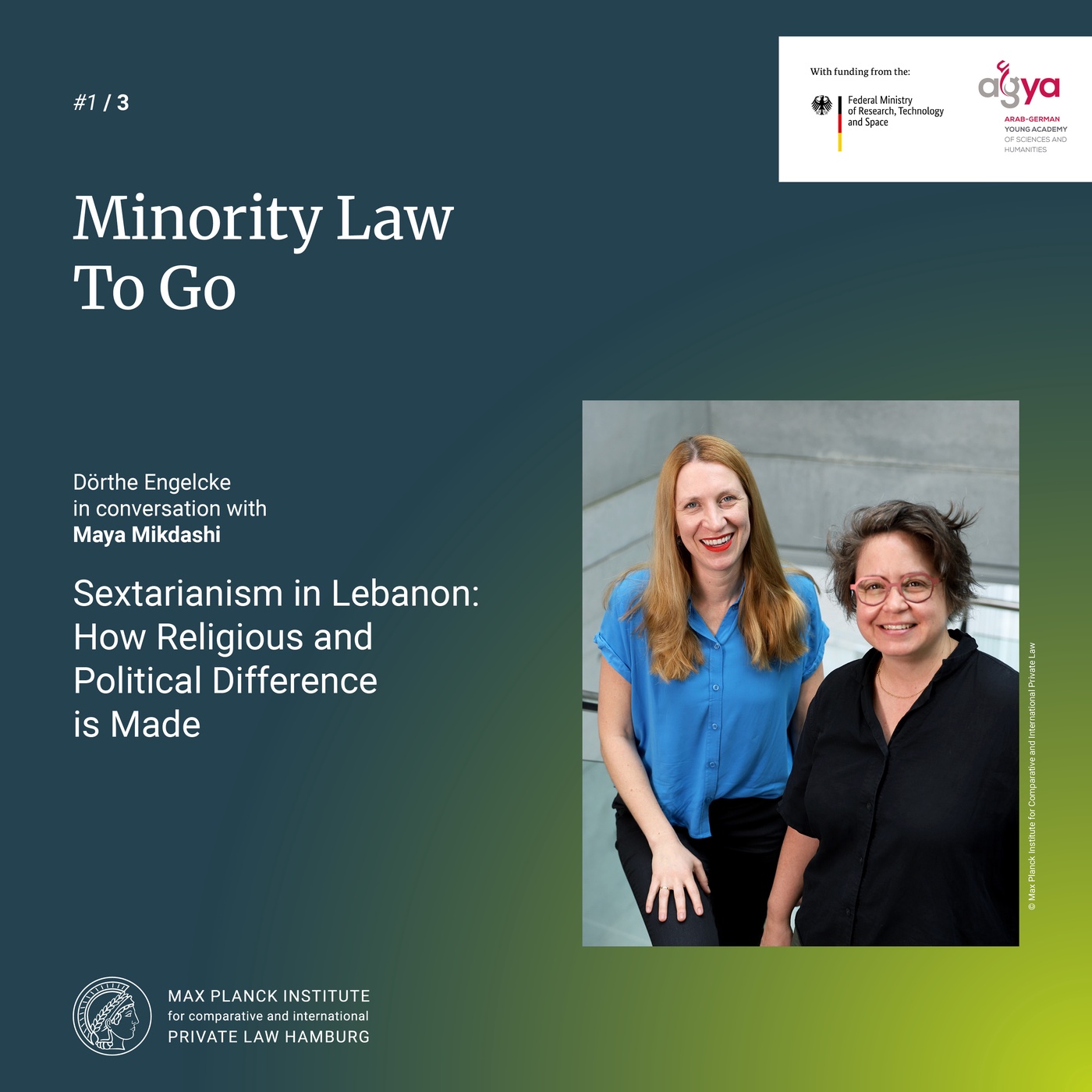
Sextarianism in Lebanon: How Religious and Political Difference is Made

40m 41s

In this episode of Minority Law To Go, host Dörthe Engelcke speaks with Maya Mikdashi, Associate Professor at Rutgers University. Together, they explore how Lebanon’s confessional system governs bodies, gender and family relations. Maya reflects on the colonial legacies shaping Lebanese law, the role of archives, and the intersections of activism and scholarship in times of political violence and limits to academic freedom.